


LED Surgical Headlight Dual Battery Supply 3W High Brightness Headlight
$135.00Unit price /Unavailable
SUPPLY MEDICAL PRODUCTS TO MORE THAN 160 PRIVATE HOSPITALS.
Email:meditech@cn-meditech.com | Whatsapp:+86 13611512069

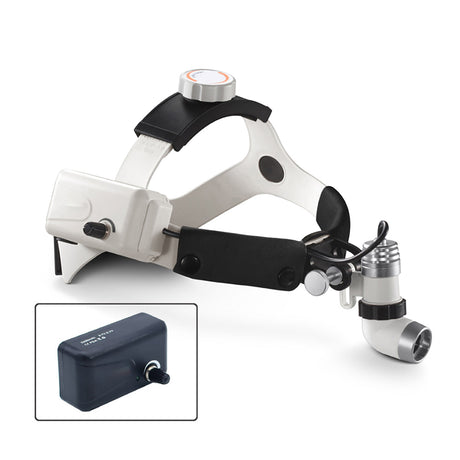
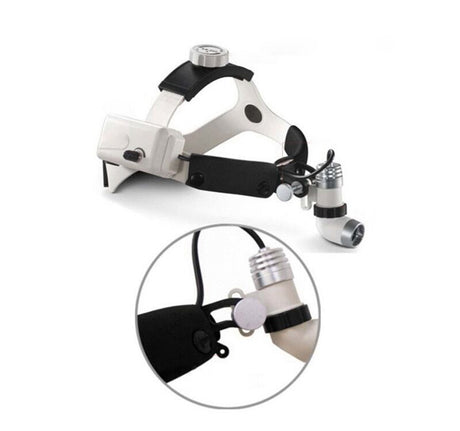
LED Surgical Headlight Dual Battery Supply 3W High Brightness Headlight

SUPPLY MEDICAL PRODUCTS TO MORE THAN 160 PRIVATE HOSPITALS.


